Knightsbridge removals quotes mistakes to avoid
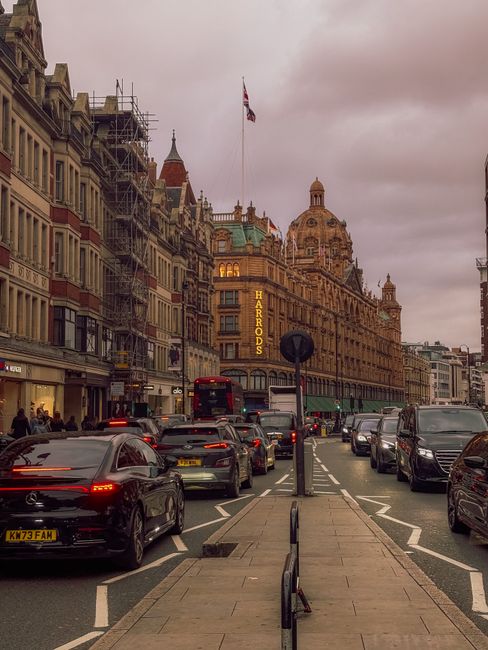
If you are comparing moving quotes in Knightsbridge, the numbers on the page can look reassuringly neat. Then the real questions start: what is included, what is not, and why does one quote look far cheaper than the others? The truth is, most problems with moving day begin much earlier, during the quote stage. This guide on Knightsbridge removals quotes mistakes to avoid is designed to help you spot the traps before they turn into delays, stress, or surprise charges.
Knightsbridge moves can be a little more fiddly than people expect. Tight streets, controlled parking, apartment access, lift bookings, fragile furniture, and time-sensitive building rules can all change the final cost. So if you are about to request a survey, compare estimates, or book a slot, take a breath. A better quote now usually means a calmer move later.
Below you will find the common mistakes, the right questions to ask, and a simple way to compare removal quotes without getting tangled up in jargon. Nothing fluffy. Just the stuff that saves time, money, and a fair bit of hassle.
Why Knightsbridge removals quotes mistakes to avoid Matters
A removal quote is not just a price. It is the first draft of your moving plan. If that draft is wrong, everything after it becomes harder. In Knightsbridge, where access can be awkward and timing often matters just as much as transport, a vague quote can be a recipe for last-minute panic.
People often assume the cheapest quote is the smartest choice. Sometimes it is. Often it is not. A low number can mean the mover has missed key details such as stairs, parking restrictions, packing materials, the number of items, or the need for extra labour. By the time moving day arrives, those gaps usually reappear as add-ons, delays, or strained conversations on the pavement. Not ideal, to put it mildly.
There is also a trust element. A detailed quote shows the company has listened properly. It signals that they understand the property, the access, and the likely workload. If a mover cannot quote carefully, they may not move carefully either. That is not a hard rule, of course, but it is a useful instinct.
Expert summary: In premium London areas like Knightsbridge, the cheapest quote is rarely the most accurate one. The safest option is usually the quote that explains the assumptions clearly, lists what is included, and leaves the fewest grey areas.
How Knightsbridge removals quotes mistakes to avoid Works
Getting a removals quote should be straightforward, but the process only works well when both sides share the same information. Usually, you provide details about your home or office, the volume of belongings, access conditions, dates, special items, and whether you need packing, dismantling, or storage support. The mover then prices the job based on time, labour, vehicle size, and complexity.
That sounds simple enough. In real life, the quote may be built from an online form, a phone conversation, photos, a video survey, or an in-person visit. Each method can work well if the details are honest and complete. The problem starts when people guess. A "small flat" can mean very different things to different households, and a "few boxes" often turns into a hallway full of books, lamps, mirrors, and random cables from 2014 that nobody remembers owning.
For Knightsbridge moves, accuracy matters because small details can change the plan. For example, a property with limited loading access may need more time than a ground-floor house with easy curbside parking. A lift booking window may affect the start time. A piano, marble table, or oversized wardrobe may require extra handling. Even a short job can become more involved if the mover has to park at a distance and carry items through shared entrances.
This is why good quotes are usually based on specifics rather than assumptions. If a company asks thoughtful questions, that is a good sign. If they do not, be cautious. A rushed quote can look efficient in the moment and expensive later.
Key Benefits and Practical Advantages
Getting the quote stage right gives you more than a clean number. It gives you control, and a bit of calm as well. That matters when you are already juggling keys, utilities, packing, and the general chaos of moving house or office.
- Fewer surprise charges: A detailed quote reduces the chance of awkward add-ons on the day.
- Better comparison: You can compare like with like instead of comparing guesswork with precision.
- More realistic scheduling: Accurate details help the mover plan vehicle size, crew numbers, and timing.
- Less stress: You know what is covered, which is surprisingly soothing when the kettle is packed away.
- Improved handling of fragile or awkward items: Special items are easier to protect when they are declared early.
- Stronger accountability: Clear written quotes make misunderstandings less likely.
There is another benefit people overlook: a proper quote often improves the move itself. Once the mover knows the building layout, access issues, and item list, they can arrive better prepared. That tends to make everything feel smoother, especially during busy mornings when the street outside is already tight and a little impatient.
Who This Is For and When It Makes Sense
This topic matters to anyone moving in or out of Knightsbridge, but it is especially relevant if you are dealing with a more complex property, a short-notice move, or high-value belongings. It also matters if you are comparing several removal firms and the quotes seem wildly different. That is usually a sign that at least one of them has interpreted the job differently.
You will get the most value from this advice if you are:
- moving from a flat, maisonette, townhouse, or period property with access challenges;
- relocating a business office or workspace with equipment to protect;
- moving high-value furniture, art, mirrors, or specialist items;
- trying to keep costs predictable and avoid hidden extras;
- working around building management rules, loading windows, or parking restrictions;
- booking a same-day or tight-turnaround move.
If your move is simple and low-volume, you may still benefit from a quick quote comparison. But if there are stairs, lifts, limited parking, or fragile items in the mix, this becomes far more important. Truth be told, that is most Knightsbridge moves.
Step-by-Step Guidance
Here is a practical way to handle removals quotes without getting caught out.
1. Give a full and honest inventory
List the main items you are moving, including anything awkward, fragile, oversized, or unusually heavy. Do not leave out the "small" things just because they are annoying to count. Boxes add up quickly. So do lamps, bags, plants, and all the bits living in cupboards and under beds.
2. Describe access in plain language
Tell the mover about stairs, lifts, parking distance, narrow corridors, resident-only access, and any loading restrictions. If the van cannot stop directly outside, say so. If there is a long carry from the property to the vehicle, say that too. It sounds obvious, but people often forget because they are focused on the contents rather than the route.
3. Ask what the quote includes
Does the price include labour, fuel, mileage, congestion-related time, packing materials, dismantling, reassembly, protective covers, and VAT if applicable? If not, ask which parts are extra. A quote without clear inclusions is like a menu with half the prices missing. You can guess, but you probably should not.
4. Check whether the quote is fixed or estimated
A fixed quote can offer more certainty, while an estimate may change if the actual job differs from the information given. Neither is automatically bad. The key is knowing which one you have. If a quote is only an estimate, ask what would make it change and by how much.
5. Compare scope, not just price
Look at crew size, vehicle size, service level, insurance cover, and any packing help. A slightly higher quote may be better value if it includes more labour or better protection for valuable furniture. Cheap can be fine. Cheap and incomplete is the problem.
6. Get it in writing
Once you agree the details, make sure they are written down clearly. Email is enough in many cases. A written record protects both sides and reduces the "but I thought you meant..." moment, which nobody enjoys.
7. Confirm the moving day plan
Before the date arrives, check arrival time, contact details, parking plan, lift bookings, and any building rules. A short confirmation message can prevent a long and rather annoying morning.
Expert Tips for Better Results
After enough moves, a few patterns become obvious. The good ones are usually not dramatic. They are just well prepared.
Be precise, not poetic. Saying "a lot of boxes" is less useful than saying "18 medium boxes, 6 large boxes, 3 suitcases, and 2 fragile lamps." The mover does not need a novel. They need a workable picture.
Use photos or video if the mover allows it. A quick walk-through on your phone can show stair width, furniture size, and access quirks faster than a long message. If the hallway feels tight when you are standing in it, it probably is.
Ask how fragile items are protected. Some companies wrap and pad as standard; others charge extra. Better to know now than watch a mirror being handled with crossed fingers later.
Be cautious with vague "from" prices. A quote that starts low and rises later often creates more trouble than it solves. Ask for the assumptions behind the number.
Watch out for rushed responses. A company that answers too quickly without asking questions may be missing key details. Speed is nice. Accuracy is nicer.
Check how they handle waiting time or access delays. In Knightsbridge, a lift may be booked, a porter may need notice, or parking may require planning. Those little gaps can affect the whole job.
Keep one person responsible for communication. If three family members are emailing three different updates, details get lost. One point of contact keeps things cleaner. Simple, but effective.
Common Mistakes to Avoid
Here is the heart of the matter. These are the mistakes that most often lead to expensive or stressful outcomes.
1. Choosing the cheapest quote without checking what is missing
The lowest quote may exclude essentials such as packing materials, extra labour, or difficult access. Once those items are added back in, the bargain disappears. Sometimes quietly, sometimes with a bit of a sting.
2. Failing to mention access problems
If the mover thinks they can park outside the front door and they cannot, the whole plan changes. Always mention narrow streets, timed loading, stairs, concierge rules, or long walking distances from the property to the van.
3. Underestimating how much there is to move
People routinely undercount boxes and overestimate how "quick" the move will be. It happens. We all do it. The spare room, the loft, the cupboards, the under-stair space - they add up fast.
4. Not asking whether the quote is fixed
If it is only an estimate, ask what conditions would change the price. A clear explanation now is better than an awkward conversation later.
5. Forgetting special items
Pianos, antique furniture, artwork, glass tables, and large wardrobes may need specialist handling. Leave them off the quote and you risk delays or a surcharge on moving day.
6. Ignoring insurance and liability questions
You do not need to get lost in legal detail, but you do need to know what protection is offered. Ask what happens if an item is damaged, who is responsible, and whether cover differs for packed and unpacked items.
7. Not checking timing assumptions
Some quotes assume a certain number of hours, a certain crew size, or an uninterrupted route. If the move is likely to take longer because of access or distance, the cost may change. Better to ask than assume.
8. Leaving packing until the last minute
Packing is not just a separate chore; it affects the quote. If the mover expects packed boxes and you are still wrapping plates at 7am, the day can slow down quickly. And nobody wants to be hunting tape while the van is outside.
9. Forgetting to compare service quality
Two quotes might be similar in price but very different in professionalism. One may offer careful planning and clear communication; the other may feel a little loose. Trust your instincts. They are often better than people think.
10. Accepting unclear terms and conditions
Read the basics: cancellation rules, payment timing, arrival windows, and what happens if access is blocked. You do not need to memorise legal language. Just understand the practical bits.
Tools, Resources and Recommendations
You do not need fancy software to compare removals quotes well, but a few simple tools help a lot.
- Inventory list: Use a spreadsheet or notes app to list items room by room.
- Photo folder: Keep access photos, stair photos, and images of awkward items in one place.
- Measurement tape: Measure large furniture, doorways, and stair landings if you are unsure.
- Calendar reminders: Note viewing appointments, packing deadlines, and moving day confirmations.
- Written quote archive: Save every quote in one email thread or folder so details are easy to compare.
If you want to understand pricing structure in more detail, the page on pricing and quotes is a useful place to start. It is also worth looking at removal services to see how different support options can affect the overall job.
For people moving home rather than just a few items, the guides on home moves and house removals can help you think through the scope more clearly. If your move is smaller or more flexible, a man and van setup may be more appropriate, but only if the quote reflects the actual workload.
And if you are moving office rather than home, you may want to review office removals and office relocation services so the quote covers desks, equipment, and any after-hours constraints properly.
Law, Compliance, Standards, or Best Practice
There is no single rulebook that governs every removal quote, but there are sensible UK best practices that matter. A reputable mover should be clear about terms, cancellation arrangements, payment expectations, and the handling of goods in transit. If a company discusses insurance, it should do so in plain English, not as a fog of vague reassurance.
In Knightsbridge, practical compliance often matters more than people expect. Parking arrangements, building access rules, and loading restrictions can all affect the move. If your building has a concierge or management team, ask what is required in advance. Some properties need lift bookings or protective coverings. Others may have strict time windows. It is not glamorous, but it is how you avoid headaches.
Health and safety is another sensible area to check. Heavy lifting, narrow stairs, and fragile items all carry risk. A mover should be thinking about safe handling, adequate staffing, and suitable equipment. If that sounds basic, it is. Basic is good when you are carrying a wardrobe down a staircase.
For trust and transparency, it also helps to review company policies where relevant. Pages such as insurance and safety, health and safety policy, and terms and conditions can clarify how the business works. If you want to understand how payments are handled, payment and security is worth a look too.
Options, Methods, or Comparison Table
When comparing quotes, it helps to separate the method from the headline price. A quote can be cheap for entirely sensible reasons, or cheap because important things were left out. Here is a simple comparison.
| Quote style | What it usually means | Best for | Watch out for |
|---|---|---|---|
| Fixed quote | Price agreed based on the information provided | Moves with clear scope and good access detail | Make sure assumptions are written down |
| Estimated quote | Likely price, but may change if the job differs | Moves where access or volume may vary | Ask what could change the total |
| Hourly rate | Cost depends on time taken and crew size | Smaller jobs or flexible moves | Slow access can make it more expensive |
| Package quote | Bundled service including extras like packing | Busy households or office relocations | Check exactly what is bundled in |
There is no single best option. A fixed quote gives certainty, an hourly quote can suit smaller jobs, and an estimate can work when the scope is still changing. The real trick is knowing which one you are looking at and what it depends on.
Case Study or Real-World Example
Imagine a two-bedroom flat in Knightsbridge with one lift, a narrow entrance, and a parking restriction on the street. The homeowner initially receives two quotes that seem very different. One is much cheaper. The other is higher but includes packing materials, a two-person crew, furniture protection, and an assumption that the van may need to park a short distance away.
At first glance, the cheaper quote looks attractive. But once the homeowner asks questions, the picture changes. The low quote does not include dismantling the bed, does not account for the long carry, and assumes all boxes are already packed and ready. The more expensive quote, meanwhile, seems to be based on the actual building conditions. Not perfect, but much more realistic.
On moving day, the better-prepared company arrives with the right tools, knows about the lift booking, and starts on time. The other quote would probably have worked too, eventually, but the risk of delay and added cost was much higher. That is the real lesson here: a quote is only useful if it reflects the move you actually have, not the move you wish you had.
A small detail, but an important one. The couple had also underestimated how many boxes were sitting in a cupboard by the kitchen. Happens every time. Every time.
Practical Checklist
Use this checklist before you accept any Knightsbridge removals quote.
- Have you listed every room and all major items?
- Have you mentioned stairs, lifts, parking, and loading access?
- Have you declared fragile, heavy, or unusually shaped items?
- Do you know whether the quote is fixed, estimated, or hourly?
- Have you asked what is included in the price?
- Do you know whether packing materials, dismantling, or reassembly cost extra?
- Have you checked insurance and liability basics?
- Are payment terms and cancellation rules written down?
- Have you compared service quality, not just the number?
- Have you confirmed the moving day plan and contact details?
If you can tick most of those boxes, you are in a much better position than the average mover. That sounds dramatic, but it is true. A little preparation goes a long way.
Conclusion
Most problems with removals quotes do not come from bad luck. They come from missing detail, rushed decisions, or assumptions that never get checked. In a place like Knightsbridge, where access and timing can be just as important as the contents of the move, those mistakes can get expensive quickly.
The good news is that avoiding them is not difficult. Give full details, ask clear questions, compare scope rather than just price, and get everything confirmed in writing. Do that, and you will usually end up with a quote that is far more reliable, a move that feels more organised, and fewer surprises on the day.
If you want the simplest version of the advice, it is this: slower at the quote stage, smoother on moving day. That trade-off is worth it almost every time.
Get a free quote today and see how much you can save.
Frequently Asked Questions
What should be included in a Knightsbridge removals quote?
A good quote should clearly show labour, vehicle use, access assumptions, and any extras such as packing, dismantling, or reassembly. If anything is unclear, ask before you agree. A clean quote is easier to trust than one with hidden corners.
Why do removals quotes vary so much?
They vary because different companies may assume different things about volume, access, labour, timing, and packaging. Two quotes can look similar but cover very different jobs. That is why comparing the scope matters more than just comparing the headline number.
Is the cheapest quote always the worst choice?
Not always. But the cheapest quote deserves the most scrutiny. If it is much lower than the rest, check what has been left out and whether the mover has properly accounted for access, time, and special items.
Should I use photos or a video survey for my quote?
Yes, if the mover offers it. Photos or a video walk-through can help show stairs, layout, and awkward items more clearly than text alone. It is often a very practical way to reduce mistakes.
What details do movers often need that people forget?
Parking restrictions, lift bookings, long carries, narrow hallways, and items in storage spaces are often forgotten. People also miss things like mirrors, plants, and under-bed storage. Those little extras can affect the final plan more than you might expect.
Should I expect a fixed quote or an estimate?
Either can be fine, but you should know which one you have. A fixed quote gives more certainty, while an estimate may change if the actual move is different from the details provided. Always ask what could cause the price to change.
How can I avoid hidden charges on moving day?
Give full information upfront, ask what is included, and make sure special items are listed. It also helps to confirm the arrival time, access details, and any building rules in writing. Clear communication is the best defence, really.
Do I need to mention fragile or valuable items separately?
Yes. Items such as artwork, glass furniture, antiques, and electronics should be identified early so the mover can plan the handling correctly. A proper quote should reflect the extra care needed.
What if my move date changes after I accept the quote?
Tell the company as soon as you can. Date changes can affect crew availability and pricing, especially during busy periods. If the date moves, ask whether the quote still stands or needs to be adjusted.
How do I know if a removal company is trustworthy?
Look for clear communication, detailed quotes, transparent terms, and sensible answers to your questions. A trustworthy company tends to explain things plainly rather than hide behind jargon. If something feels vague, pause and ask again.
Are packing services worth adding to the quote?
They can be, especially if you are short on time or moving fragile items. Packing services may increase the price, but they can also reduce stress and make the move more efficient. The right choice depends on your timeline and how much you want handled for you.
Where can I find more help before booking?
Start with the company's pricing, service, and policy pages so you understand the process properly. For broader context, you may also find the site's articles on local moving conditions useful, especially if your property has access challenges or timing restrictions.